
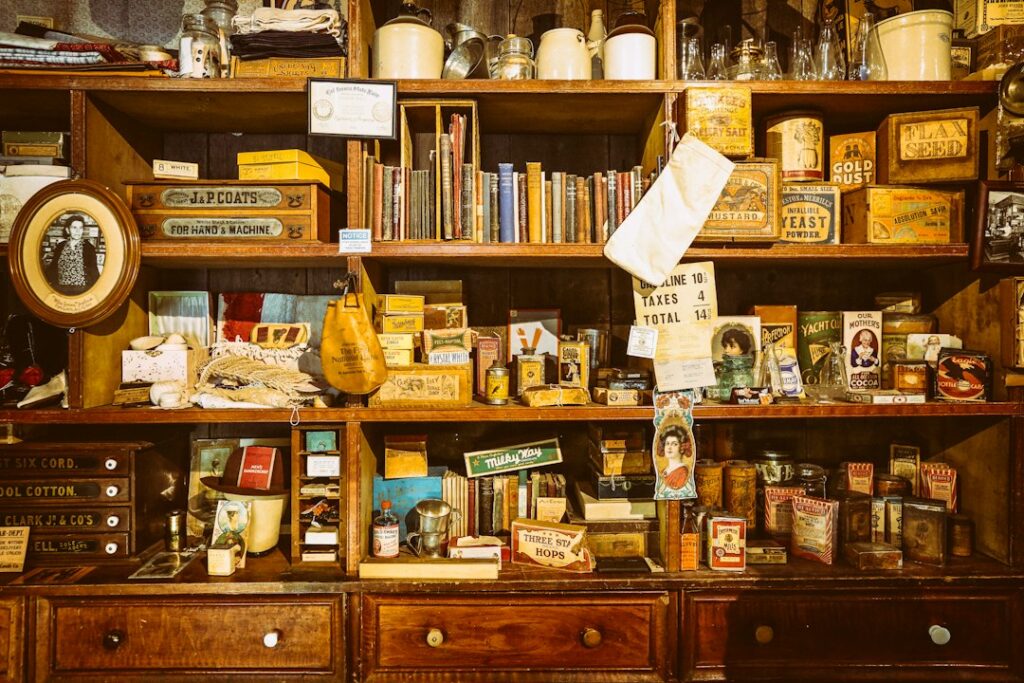
Collectibles and antiques often carry more than a purchase price. They may represent family history, years of searching, or a value that has changed significantly since the item was acquired. Standard homeowners or renters insurance may provide some protection, but it often does not fully address the value, limits, or risks associated with specialized property.
For households in Brownsville, TN, the most reliable approach is to understand how the existing policy treats valuable property, document each item carefully, and arrange additional coverage when the standard limits are not enough.
Does homeowners insurance cover antiques and collectibles?
Usually, yes—but often only within limited categories and dollar amounts. A standard policy may cover antiques, artwork, coins, firearms, stamps, sports memorabilia, musical instruments, or other collectibles when they are damaged by a covered event such as fire, theft, or certain types of storm damage.
The difficulty is that valuable property may be subject to a special limit. That limit can apply to an entire category rather than to one item. For example, a policy might provide a modest amount for stolen collectibles even though the collection is worth considerably more.
A general personal-property limit does not automatically mean every item is fully insured. The policy may also exclude certain causes of loss, including accidental breakage, mysterious disappearance, flood damage, or damage that occurs while an item is being transported.
The declarations page and policy wording should be reviewed for:
- Special limits for antiques, artwork, coins, jewelry, or collectibles
- Whether theft is covered and how much can be paid
- Whether accidental damage or breakage is included
- Whether the policy pays actual cash value or another valuation method
- Deductibles that apply to valuable property
- Coverage for items kept in detached buildings, storage areas, or another residence
What is scheduled coverage?
Scheduled coverage lists valuable property individually, usually with a description and stated value. It is commonly added to a homeowners or renters policy through an endorsement, although a separate valuable-property policy may sometimes be used.
Scheduling is often appropriate for a rare item, a high-value collection, or an antique that would be difficult to replace. The coverage may offer broader protection than the standard policy, including protection for accidental loss or damage if those risks are included in the contract.
Examples of property that may be scheduled include:
- Antique furniture or clocks
- Paintings and other artwork
- Rare coins or currency
- Vintage firearms
- Collectible watches
- Signed memorabilia
- Fine jewelry
- Rare books, documents, or manuscripts
- Historical household items
A collection may sometimes be insured under a blanket amount rather than item by item. That can be simpler for groups of similar objects, but the policy should explain how valuation works when only part of the collection is lost.
How should an antique or collectible be valued?
The value used for insurance should match the purpose of the coverage. Purchase price, replacement cost, auction value, market value, and sentimental value are not always the same.
An appraisal may be required for higher-value items. A useful appraisal generally describes the item, condition, age, maker or origin when known, distinguishing features, and current value. A sales receipt can help, but it may not be enough for an inherited item or a collection whose value has changed.
Insurance value can also differ from a tax, estate, or resale valuation. The appraisal should be appropriate for insurance planning and should be updated when the market changes, the item is repaired, or the collection grows.
For example, an antique cabinet inherited years ago may have increased in value, while a mass-produced collectible may be worth less than its original purchase price. Assuming that every older object has appreciated can result in paying for more coverage than necessary, while relying on an old receipt can leave a valuable item underinsured.
What records should be kept?
A detailed inventory is one of the most useful steps a collector can take. Create a separate record for each significant item or group of items.
Include:
- Clear photographs from multiple angles
- Close-up images of signatures, serial numbers, labels, hallmarks, or damage
- A written description of the item
- Purchase receipts, auction records, inheritance documents, or sales paperwork
- Appraisals and repair records
- The date and amount paid, when available
- The current estimated value
- Where the item is normally kept

Photograph the surrounding room as well as the individual object. Room photographs can help show that an item was present in the household before a loss.
Store records somewhere other than the same cabinet, attic, basement, or closet where the collection is kept. Digital copies should be protected with secure access, and paper records may be kept in a fire-resistant location. Updating the inventory once a year is useful, especially after buying, selling, inheriting, or repairing an item.
Are antiques covered during moving, shipping, or travel?
Not necessarily. Coverage can change while an item is in transit, at an exhibition, in temporary storage, or being handled by a shipping company. A homeowners policy may not provide the same protection away from the residence.
Before moving a valuable piece, check:
- Who is responsible for damage during loading and delivery
- Whether the carrier’s coverage is limited
- Whether packing and unpacking are included
- Whether accidental breakage is covered
- Whether the item is insured while temporarily stored
- Whether the policy applies outside the home
An antique purchased at a distant auction or transported to the home may require specific transit protection. The purchase agreement, shipping terms, and insurance policy should be compared before the item moves.
Does flood insurance cover collectibles?
A standard homeowners policy generally does not cover damage caused by flooding. Flooding is different from many indoor plumbing leaks or certain types of wind-driven rain. Water entering from rising water, overflow, or surface runoff may fall under flood exclusions.
This matters for households storing collections in lower levels, outbuildings, garages, or areas vulnerable to heavy rainfall and drainage problems. Even when separate flood coverage exists, valuable property may have its own limits, valuation rules, and conditions.
Collectors should also consider how humidity, temperature swings, roof leaks, and poor ventilation affect antiques. Insurance does not replace proper preservation. Furniture, paper, textiles, photographs, and metal objects may require different storage conditions to reduce deterioration.
What happens after a loss?
After theft, fire, storm damage, or another covered event, protect the remaining property from further damage if it is safe to do so. Photograph the condition of the items and keep damaged objects unless they create a safety hazard or the insurer gives permission to discard them.
The inventory, appraisals, receipts, and photographs can help establish what was owned and how much it was worth. A claim settlement may depend on the policy’s valuation language, deductible, exclusions, and proof of loss—not simply on what the owner believes an item should be worth.
A common misunderstanding is that sentimental value will be paid as part of the claim. Insurance generally addresses financial value under the contract. Family history may be meaningful, but it usually does not increase the payment unless the policy specifically provides a different valuation method.
How often should coverage be reviewed?
Review valuable-property coverage at least annually and after major changes. Recheck it after an inheritance, an estate purchase, a substantial acquisition, a sale, a major repair, or a new appraisal.
Collections can change gradually, making it easy to overlook additions. A policy that was adequate several years ago may now contain outdated descriptions, insufficient limits, or items that no longer exist.
For residents managing antiques in an older home, a newer residence, a rental property, or a detached storage area, the key questions remain the same: What is owned, what is it worth, where is it kept, and which causes of loss are actually covered? Clear answers to those questions make it easier to identify gaps before a claim occurs.
